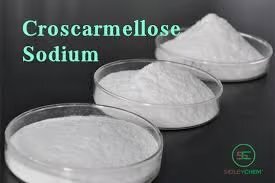
Microcrystalline Cellulose

Microcrystalline Cellulose

MOQ : 500 Kilograms

Microcrystalline Cellulose Specification

  • Poisonous
  • Yes
  • Taste
  • Tasteless
  • Shape
  • Powder
  • Refractive Rate
  • ~1.47
  • Form
  • White, odorless, tasteless powder
  • Other Names
  • Cellulose gel, Cellulosum microcristallinum
  • Structural Formula
  • Repeating units of (14) linked D-glucose
  • Ph Level
  • Neutral to slightly acidic (pH 5.0-7.5 in suspension)
  • Melting Point
  • Depolymerizes at 260C (no true melting point)
  • HS Code
  • 3912.90
  • Molecular Weight
  • Approximately 162.14 g/mol per glucose unit
  • Molecular Formula
  • (C6H10O5)n
  • Density
  • 1.5 Gram per cubic centimeter(g/cm3)
  • Purity
  • >99%
  • Boiling point
  • Not applicable (decomposes before boiling)
  • Smell
  • Odorless
  • Solubility
  • Insoluble in water and most organic solvents, dispersible in water
  • Storage
  • Keep in a tightly sealed container, in a cool, dry place
  • Classification
  • Polysaccharide, excipient, food additive (E460)
  • Chemical Name
  • Microcrystalline Cellulose
  • CAS No
  • 9004-34-6
  • EINECS No
  • 232-674-9
  • Grade
  • Pharma, Food, and Industrial grades available
  • Standard
  • Complies with USP/NF, Ph.Eur. standards
  • Type
  • Powdered cellulose derivative
  • Usage
  • Pharmaceutical excipient, food stabilizer, bulking agent, cosmetic formulations
  • Main Material
  • Purified cellulose from plant sources (commonly wood pulp)
  • Application
  • Widely used as a binder, diluent, and disintegrant in pharmaceutical tablet and capsule formulations; also used as a food additive, and in cosmetics
  • Non Toxic
  • Yes
  • Surface Area
  • High, porous structure
  • Viscosity
  • Low, non-viscous in water
  • Bulk Density
  • 0.25-0.38 g/cm3
  • Loss on Drying
  • NMT 7.0% at 105C
  • Median Particle Size
  • 20-200 microns, depending on grade
  • Moisture Content
  • 5%
  • Appearance
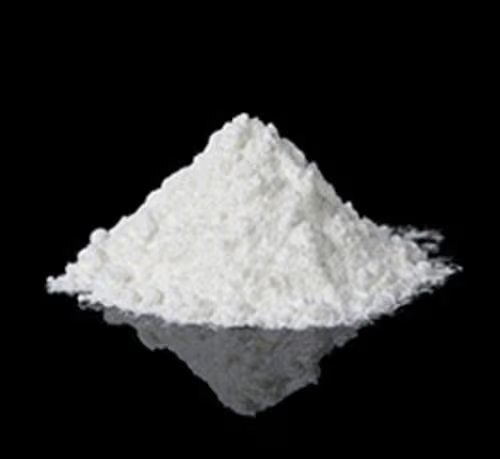
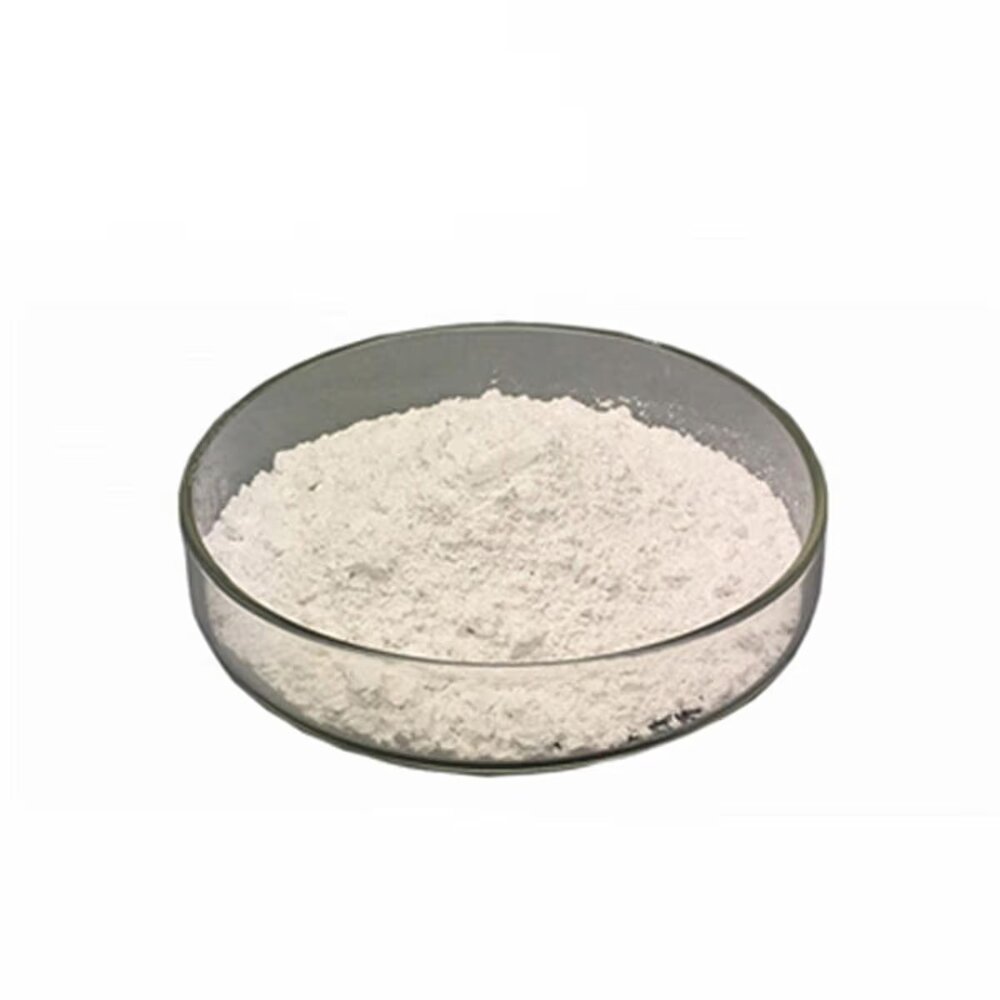
  • Fine, white, free-flowing powder
  • Heavy Metals
  • NMT 10 ppm
  • Manufacturing Process
  • Acid hydrolysis of cellulose, followed by purification and drying
  • Shelf Life
  • 5 years if stored properly
  • Residue on Ignition
  • NMT 0.1% (Ph.Eur), 0.8% (USP)
 

Microcrystalline Cellulose Trade Information

  • Minimum Order Quantity
  • 500 Kilograms
  • Delivery Time
  • 7 Days
  • Main Export Market(s)
  • Asia, Australia, Central America, North America, South America, Eastern Europe, Western Europe, Middle East, Africa
 

About Microcrystalline Cellulose


Order the incomparable Microcrystalline Cellulose, an exclusive powdered cellulose derivative with unassailable purity-greater than 99%. Sourced from purified wood pulp, its lofty quality is evident through a fine, free-flowing white powder, with a median particle size of 20-200 microns and high surface area. Exceptional for pharmaceutical, food, and industrial applications as a binder, bulking agent, and stabilizer, this product adheres strictly to USP and Ph.Eur. standards. Shop now to access this tasteless and odorless material, featuring low viscosity, neutral pH, and a long 5-year shelf life. Secure your supply today from India's prominent supplier and trader.

Features & Applications of Microcrystalline Cellulose

Microcrystalline Cellulose offers a multi-functional application surface. It is widely employed in pharmaceutical tablet and capsule formulations as a binder, diluent, and disintegrant. In the food industry, it acts as a stabilizer and bulking agent, while in cosmetics, it enhances texture. To use, simply blend with your formulation matrix as directed per your industry standard. Notable features include high purity, excellent compressibility, porosity, and reliable shelf life, making it a preferred excipient across industries.


Payment Terms, Sample Outlay & Exchange Policy

Competitive rates for Microcrystalline Cellulose are available, tailored to order volume and grade requirements. Flexible payment terms facilitate convenient exchanges. Samples can be arranged upon request; a nominal outlay applies, which may be redeemable upon placing a bulk order. Our clear sample policy ensures clients can evaluate quality before proceeding with their main purchase, reinforcing trust and satisfaction at every transaction step.


FAQ's of Microcrystalline Cellulose:


Q: How is Microcrystalline Cellulose manufactured?

A: Microcrystalline Cellulose is produced by acid hydrolysis of purified cellulose from plant sources, such as wood pulp, followed by thorough purification and drying processes to ensure a high-purity, free-flowing powder.

Q: What are the primary uses of Microcrystalline Cellulose?

A: Its main uses are as a binder, diluent, and disintegrant in pharmaceutical tablets and capsules. It also serves as a food additive (stabilizer, bulking agent) and plays vital roles in cosmetics for enhancing product texture.

Q: When should I use Microcrystalline Cellulose in my formulation process?

A: Microcrystalline Cellulose should be incorporated during the blending or mixing stage of your formulation, following specific industry protocols for pharmaceuticals, foods, or cosmetics to optimize product performance.

Q: Where can I source Microcrystalline Cellulose meeting USP/NF and Ph.Eur. standards?

A: You can order high-grade, compliant Microcrystalline Cellulose from authorized suppliers and traders in India, who guarantee strict adherence to international quality benchmarks.

Q: What benefits does Microcrystalline Cellulose offer in product formulations?

A: It provides exceptional compressibility, high purity, a neutral pH, excellent flowability, and a porous, non-reactive profile-improving product consistency, stability, and performance across applications.

Q: How do I store Microcrystalline Cellulose to maintain its shelf life?

A: Store it in a tightly sealed container, in a cool and dry environment, away from direct moisture or sunlight to ensure optimal performance for up to five years.

Tell us about your requirement
product

Price:

Quantity
Select Unit

  • 50
  • 100
  • 200
  • 250
  • 500
  • 1000+
Additional detail
Mobile number

Email

More Products in Excipients Tablets & Capsules Category

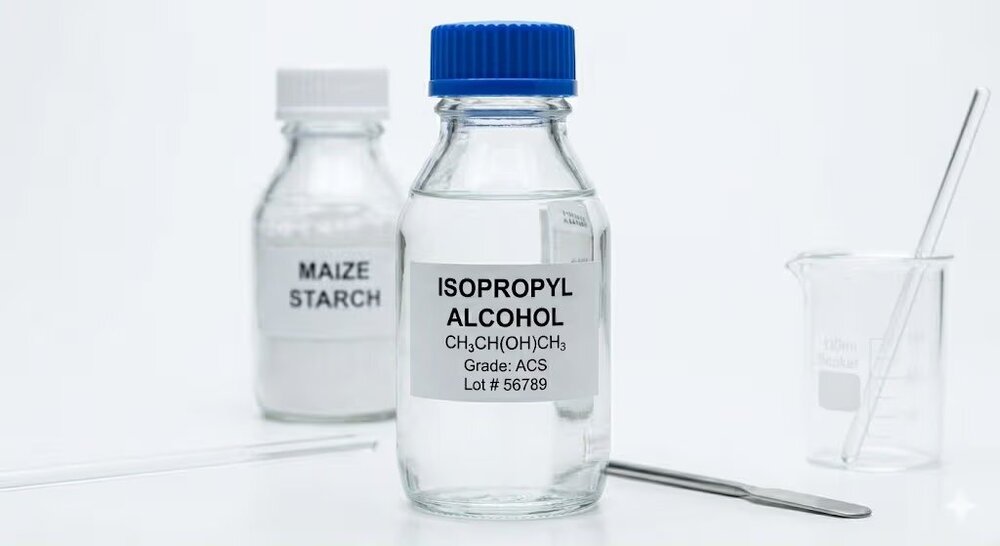
Isopropyl Alcohol

Isopropyl Alcohol

Minimum Order Quantity : 500 Kilograms

Application : Other, Used as a solvent, cleaning agent, disinfectant, and in pharmaceutical preparations

Density : 0.786 Gram per cubic centimeter(g/cm3)

Molecular Weight : 60.10 g/mol

Molecular Formula : C3H8O

Classification : Other, Alcohol

Polyvinylpyrrolidone Binder

Polyvinylpyrrolidone Binder

Minimum Order Quantity : 500 Kilograms

Application : Other, Binder in pharmaceuticals, adhesives, inks, coatings, cosmetics

Density : 1.2 Gram per cubic centimeter(g/cm3)

Molecular Weight : Varies (depends on grade, typically 10,000 1,300,000 Da)

Molecular Formula : (C6H9NO)n

Classification : Other, Synthetic polymer

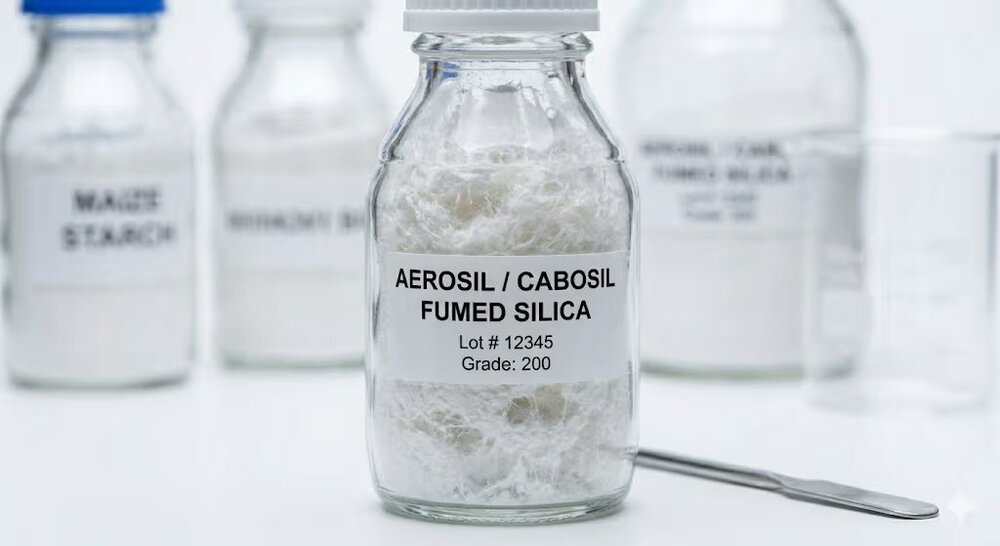
Aerosil Cabosil

Aerosil Cabosil

Minimum Order Quantity : 500 Kilograms

Application : Other, Thickening agent, reinforcing filler, anticaking agent, flow aid

Density : 60 Gram per cubic centimeter(g/cm3)

Molecular Weight : 60.08 g/mol

Molecular Formula : SiO2

Classification : Other, Inorganic chemical

Cross Carmelose Sodium

Cross Carmelose Sodium

Minimum Order Quantity : 500 Kilograms

Application : Other, Pharmaceutical excipient, disintegrant in tablet formulations, food industry additive

Density : 0.60 Gram per cubic centimeter(g/cm3)

Molecular Weight : Variable (polymeric)

Molecular Formula : (C8H16NaO8)n

Classification : Other, Superdisintegrant, excipient


Back to top