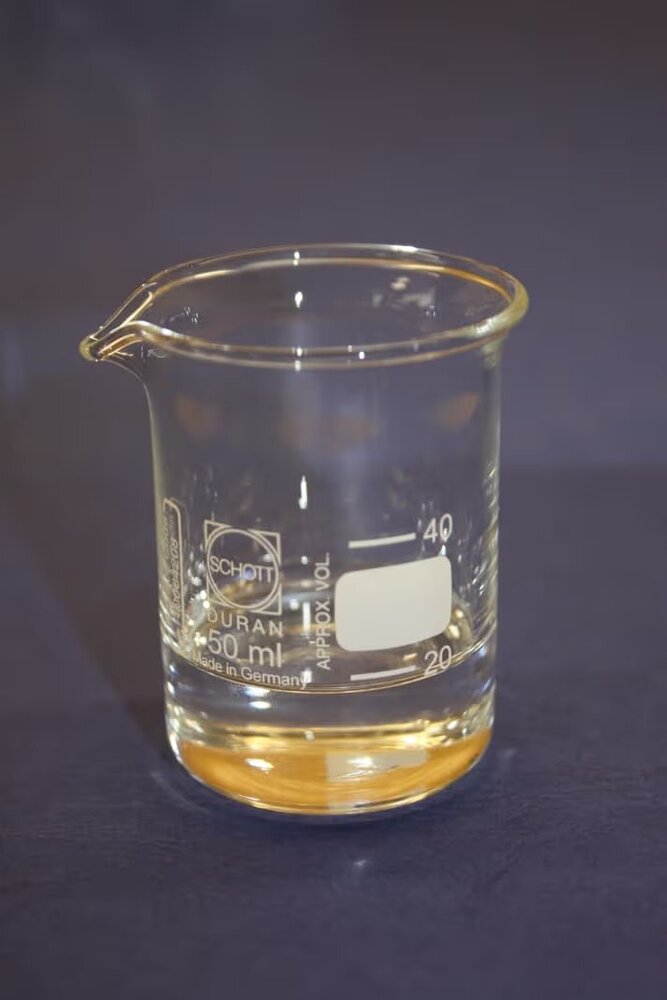
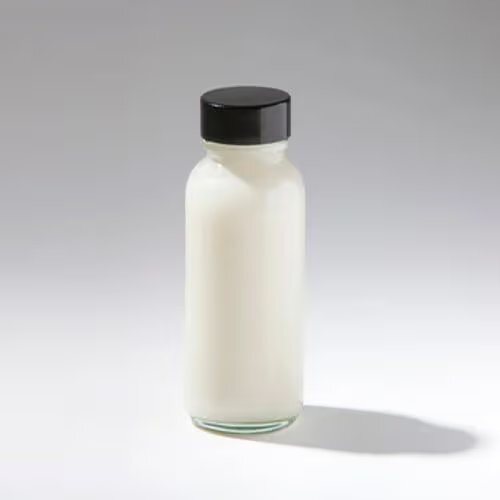
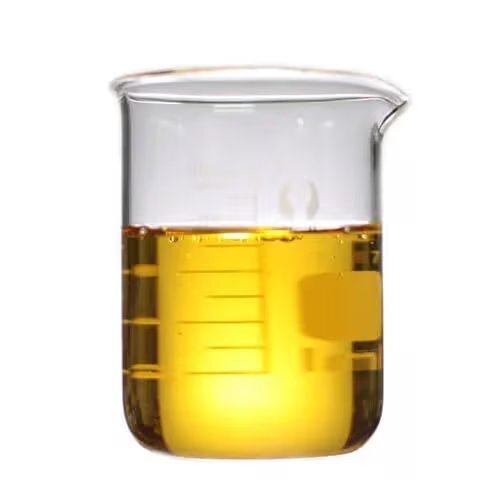
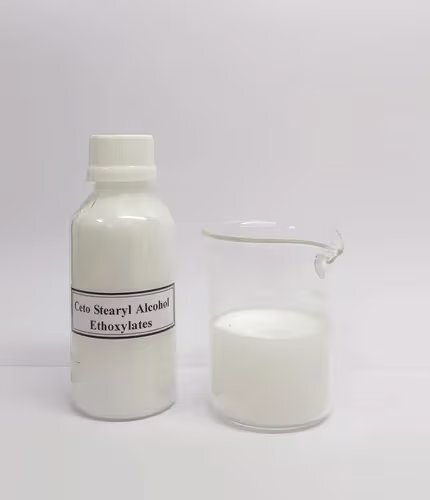
Poly Ethylene Glycols (PEG)

Poly Ethylene Glycols (PEG)

MOQ : 500 Kilograms

Poly Ethylene Glycols (PEG) Specification

  • Density
  • 1.14 Gram per cubic centimeter(g/cm3)
  • Form
  • Liquid, semi-solid, waxy solid
  • Poisonous
  • Yes
  • Storage
  • Store in tightly closed container, in a cool, dry, well-ventilated area
  • Solubility
  • Soluble in water, alcohol, acetone, glycerin, and slightly soluble in aromatic hydrocarbons
  • Structural Formula
  • HO-(CH2CH2O)n-H
  • Purity
  • 99% minimum
  • HS Code
  • 39072090
  • Taste
  • Practically tasteless
  • Smell
  • Odorless
  • Other Names
  • PEG, Macrogol
  • Boiling point
  • >200C depending on grade
  • Molecular Weight
  • Varies with grade, typically 200 - 10,000 or more
  • Molecular Formula
  • H(OCH2CH2)nOH
  • Ph Level
  • 6.0 - 7.2 (neutral)
  • Melting Point
  • Depends on molecular weight; typically ranges from -10C (liquid PEG) up to 65C (solid PEG)
  • Refractive Rate
  • 1.459 (PEG 400)
  • Shape
  • Liquid or flake form depending on molecular weight
  • Classification
  • Polyether, non-ionic surfactant
  • Chemical Name
  • Polyethylene Glycol
  • CAS No
  • 25322-68-3
  • EINECS No
  • 500-038-2
  • Grade
  • Pharmaceutical, Industrial, Cosmetic, Food Grade available
  • Standard
  • Meets relevant USP, BP, EP standards depending on grade
  • Type
  • Polyethylene Glycols (PEG)
  • Usage
  • Industrial, laboratory, pharmaceutical, cosmetic, and food-grade uses
  • Main Material
  • Polyethylene oxide
  • Application
  • Used as lubricants, dispersing agents, solvents, humectants, chemical intermediates, plasticizers, and in pharmaceuticals, cosmetics, and food industries
  • Non Toxic
  • Yes
  • Packaging
  • Available in drums, IBC tanks, and bulk
  • Freezing Point
  • -10C to 63C depending on molecular weight
  • Toxicity
  • Low toxicity
  • Flammability
  • Non-flammable
  • Biodegradability
  • Readily biodegradable
  • Compatibility
  • Compatible with water, many organic solvents, resins, waxes, and cellulose
  • Regulatory Status
  • Approved by FDA for various pharmaceutical and food applications
  • Shelf Life
  • At least 2 years under recommended storage conditions
  • Surface Tension
  • ~46 dynes/cm at 25C (PEG 400)
  • Color
  • Colorless to pale yellow, transparent liquid or solid
  • Flash Point
  • >220C (closed cup method, varies by grade)
  • Hydrophilicity
  • Highly hydrophilic
  • Stability
  • Stable under normal conditions, but may decompose at high temperatures
  • Viscosity
  • Varies according to molecular weight, e.g., PEG 400: 90-110 cP at 25C
 

Poly Ethylene Glycols (PEG) Trade Information

  • Minimum Order Quantity
  • 500 Kilograms
  • Delivery Time
  • 7 Days
  • Main Export Market(s)
  • Asia, Australia, Central America, North America, South America, Eastern Europe, Western Europe, Middle East, Africa
 

About Poly Ethylene Glycols (PEG)


Redeem stellar performance and instant savings with Ace-quality Poly Ethylene Glycols (PEG). This lustrous solution-colorless to pale yellow and available in transparent liquid or solid form-boasts valiant versatility across pharmaceutical, industrial, cosmetic, and food-grade applications. PEG features high hydrophilicity, low toxicity, rapid biodegradability, and supreme compatibility with water, solvents, resins, waxes, and cellulose. Enjoy handsome markdowns for bulk purchases. With its impressive stability, non-flammable nature, and broad regulatory approval (FDA, USP, BP, EP), PEG represents efficient, mark-down value and steadfast, advanced quality.

Poly Ethylene Glycols (PEG): Competitive Edges & Applications

PEG provides primary competitive advantages through its unmatched versatility as a polyether, serving roles as lubricant, dispersing agent, solvent, humectant, and chemical intermediate. Its exceptional compatibility and hydrophilicity make it a true ace for pharmaceuticals, cosmetics, industrial labs, and food sectors. PEG easily blends with numerous organic compounds while maintaining a neutral pH and non-toxicity-giving you a lustrous edge wherever robust, safe, and effectual solutions are required.


Certifications, Packaging, and Sample Shipping for PEG

Every order of PEG is processed to meet international standards-USP, BP, EP-with full traceability and certifications provided. Packaging options include sturdy drums, IBC tanks, and bulk formats, ensuring efficient transport and storage. Shipped from India, samples are available for review before placing larger orders. The list price varies by grade and packaging size. Our streamlined order processing ensures reliable supply and prompt delivery, directly supporting your production needs.


FAQ's of Poly Ethylene Glycols (PEG):


Q: How does PEG's molecular weight affect its physical properties and applications?

A: PEG's viscosity, melting, boiling, and freezing points vary depending on molecular weight, allowing it to be tailored for specific uses-ranging from liquid formulations (PEG 400) for solvents and dispersants to solid forms for structural and binding applications.

Q: What are the main benefits of using Poly Ethylene Glycols (PEG) in industrial and pharmaceutical settings?

A: PEG offers high compatibility with water and solvents, is non-toxic, stable, odorless, practically tasteless, and is FDA-approved for pharmaceutical and food use. Its versatility across a variety of industrial and medical functions provides significant operational flexibility.

Q: Where is PEG commonly applied and which industries benefit most?

A: PEG is widely used in pharmaceuticals (as excipient and laxative), cosmetics (as humectant and emulsifier), food products, industrial manufacturing (as a lubricant and plasticizer), and laboratory processes due to its safe and adaptive properties.

Q: What certifications does PEG meet, and why are these important?

A: PEG is supplied to meet major global standards including USP, BP, and EP, ensuring it is suitable for regulated pharmaceutical, food, and cosmetic applications with proven safety and efficacy.

Q: How can I request a sample or place a bulk order for PEG?

A: Samples can be requested directly from the supplier or trader. Orders, including customized bulk packaging or specific grades, are processed efficiently, and pricing is shared based on specification and volume required.

Q: What is the recommended method for storing PEG and its shelf life?

A: PEG should be stored in a tightly closed container in a cool, dry, and well-ventilated area. When stored under these recommended conditions, its shelf life is at least two years without loss of quality.

Tell us about your requirement
product

Price:

Quantity
Select Unit

  • 50
  • 100
  • 200
  • 250
  • 500
  • 1000+
Additional detail
Mobile number

Email

More Products in Surfactants Category

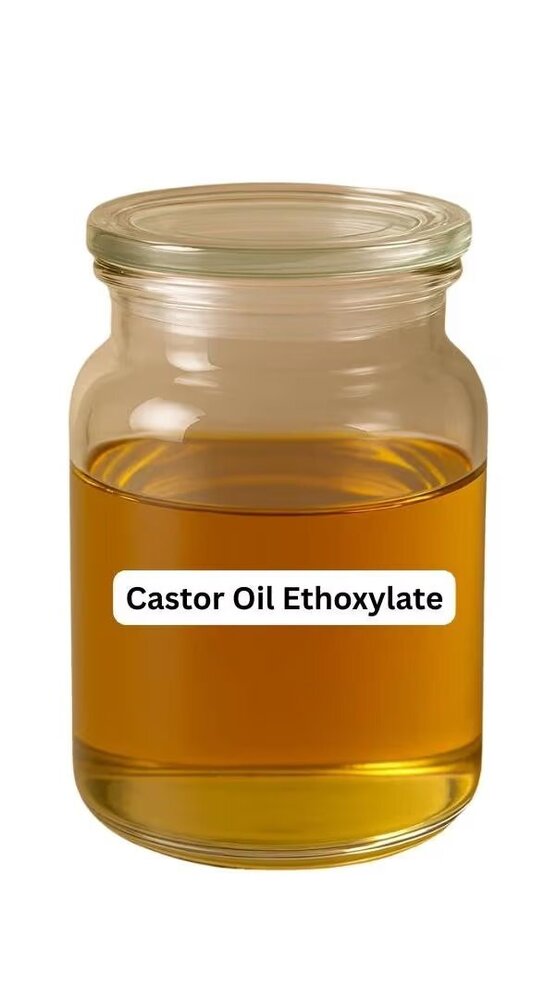
Castor Oil Ethoxylate

Castor Oil Ethoxylate

Minimum Order Quantity : 500 Kilograms

Molecular Weight : Varies with ethylene oxide content

Melting Point : 10C to 5C (Varies with ethoxylation degree)

Molecular Formula : C57H104O9(C2H4O)n

Ph Level : 68 (1% solution)

Non Toxic : Yes

Oleyl Amine Ethoxylate

Oleyl Amine Ethoxylate

Minimum Order Quantity : 500 Kilograms

Molecular Weight : Varies with degree of ethoxylation

Melting Point : Below 0C

Molecular Formula : C18H37N(C2H4O)n

Ph Level : 8.0 11.5 (1% solution)

Non Toxic : Yes

Ceto Stearyl Alcohol Ethoxylate

Ceto Stearyl Alcohol Ethoxylate

Minimum Order Quantity : 500 Kilograms

Molecular Weight : Variable depending on ethoxylation

Melting Point : Around 4055C

Molecular Formula : C34H72O (Base component, ethoxylation varies)

Ph Level : 5.0 7.0 (1% solution)

Non Toxic : Yes

Oleic Acid Ethoxylate

Oleic Acid Ethoxylate

Minimum Order Quantity : 500 Kilograms

Molecular Weight : Varies with degree of ethoxylation

Melting Point : Varies depending on ethoxylation, typically below 0 C

Molecular Formula : C18H34O2(C2H4O)n

Ph Level : 6.0 8.0 (1% solution in water)

Non Toxic : Yes


Back to top